Effective Keyword Research in 2025

Jump to section [Open]
Keyword research is a fundamental aspect of SEO, enabling you to identify the terms and topics your audience actively searches for. A well-structured keyword strategy ensures your content aligns with search intent, improves rankings, and drives relevant traffic.
This comprehensive guide will walk you through both essential steps and advanced techniques in keyword research, from finding the right keywords to analyzing competition and search trends. Additionally, we provide a curated list of both free and paid keyword research tools to support and enhance your keyword research process.
Understanding Keyword Research
Keyword research is the process of finding and selecting the most relevant search terms to optimize your content for SEO and PPC. It helps you understand what your audience is looking for, allowing you to create content that matches their needs and drives traffic.
Effective keyword research involves analyzing search volume, competition, and intent using tools like Google Keyword Planner and Ahrefs. Targeting the right keywords improves visibility, attracts visitors, and increases conversions, making it a crucial part of any digital marketing strategy.
Step 1: Understand Your Audience and Goals
Before diving into keyword research, define your target audience and content goals. Consider:
-
What topics are they interested in?
-
What problems are they trying to solve?
-
How does your content provide value?
Analyzing Google search results can provide insights into what your audience is looking for and help you tailor your content to meet their needs.

Step 2: Brainstorm Core Topics
List broad topics related to your business or industry. These should reflect common themes your audience searches for. For example, if you run a fitness blog, core topics might include “workout routines,” “healthy eating,” and “weight loss.” Consider the monthly searches for each topic to gauge their popularity and relevance.
Step 3: Find Keyword Ideas
Use various methods to expand your keyword list:
-
Google Autocomplete & Related Searches: Type in your core topics and see what Google suggests.
-
Competitor Analysis: Check what keywords competitors rank for.
-
Customer Feedback & Forums: Browse questions people ask on sites like Quora or Reddit.
-
Keyword Tools: Utilize keyword tools to generate relevant keyword suggestions.
Understanding Keyword Intent
Keyword intent is the purpose behind a user’s search. Identifying intent helps create content that meets audience needs and ranks well in search results. The four main types are:
-
Informational: Seeking knowledge (e.g., “how to conduct keyword research”).
-
Navigational: Looking for a specific site (e.g., “Google Keyword Planner login”).
-
Transactional: Ready to buy (e.g., “buy keyword research tool”).
-
Commercial: Comparing options (e.g., “best keyword research tools 2025”).
Aligning content with keyword intent boosts rankings, engagement, and user satisfaction. Two intent types are commonly combined in practice.
Step 4: Analyze Keyword Metrics and Search volume
Once you have a list, evaluate each keyword’s potential using these factors:
-
Search Volume: How often is the keyword searched?
-
Keyword Difficulty: How competitive is it?
-
Search Intent: What type of content ranks for it (informational, transactional, etc.)?
Using Long-Tail Keywords
Long-tail keywords are specific phrases with lower search volume and competition, making them ideal for targeting niche audiences. For example, instead of “keyword research,” use “best free keyword research tools for small businesses.”
Benefits of long-tail keywords:
-
Higher visibility by focusing on niche queries.
-
More targeted traffic from users closer to making a decision.
-
Better conversions by matching user intent precisely.
-
Lower competition, making ranking easier.
Step 5: Select and Organize Keywords
Prioritize keywords based on:
-
Relevance: Does it align with your content?
-
Traffic Potential: Can it drive significant traffic?
-
Competition Level: Is it realistic to rank for?
Organize keywords into categories for better content planning, such as blog topics, landing pages, and FAQs. For PPC campaigns, organize keywords within your Google Ads account to streamline your ad targeting and budgeting.
Step 6: Optimize Content for Keywords
Once you have chosen keywords, integrate them naturally into:
-
Page Titles & Meta Descriptions
-
Headings & Subheadings
-
Content Body & Image Alt Text
Ensure content remains readable and valuable while avoiding keyword stuffing.
Step 7: Track and Adapt Your Strategy
Keyword trends change, so continuously monitor rankings and adjust your strategy using tools that provide performance insights.
Regularly monitoring your keyword performance is essential, as search trends and user behaviors evolve over time. Utilizing SEO tools like Google Search Console or Ahrefs can help you track your rankings and identify areas needing improvement. By analyzing this data, you can adjust your content strategy to maintain or enhance your search visibility.
Did you know? Bazoom offers you free backlink strategies. Try it out now!
Advanced Keyword Research Techniques
You know the basics, to planning your keyword strategy, but how do you beat the competition? Advanced keyword research techniques involve using specialized tools and strategies to gain deeper insights into your target audience and identify high-potential keywords. Here are some advanced techniques to consider:
-
Keyword Clustering: Group related keywords together to create comprehensive content that covers multiple related queries. This can help you rank for a broader range of keywords.
-
Competitor Analysis: Analyze the keywords your competitors are ranking for to identify gaps in the market and opportunities for your content.
-
Using Keyword Research Tools: Leverage tools like Google Keyword Planner, Ahrefs, and SEMrush to analyze search volume, competition, and relevance. These tools provide detailed data to help you make informed decisions.
-
Creating Keyword Personas: Develop personas based on the needs and behaviors of your target audience. This helps you understand what keywords they might use and tailor your content accordingly.
-
Using Long-Tail Keywords: As mentioned earlier, long-tail keywords can help you target specific search queries with less competition and higher conversion rates.
By employing these advanced keyword research techniques, you can gain a deeper understanding of your target audience and create more effective SEO and PPC campaigns. This will help you stay ahead of the competition and achieve better results in your digital marketing efforts.
Recommended Keyword Research Tools
Expanding your keyword research toolkit can significantly enhance your SEO and PPC strategies. Here are some recommended tools, both free and paid, each offering unique features to streamline your keyword research process:
1. Google Tools
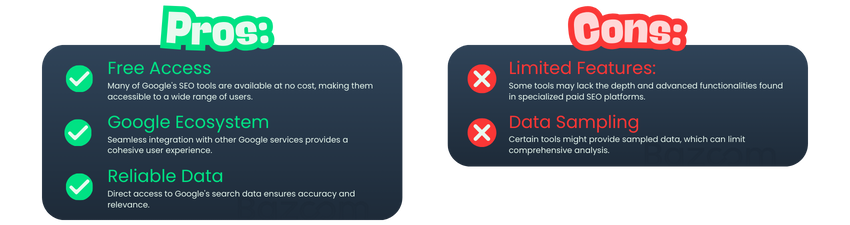
Above, we explored how Google Autocomplete and Related Searches can help generate keyword ideas, but Google has even more powerful tools to enhance your research. From uncovering search trends to analyzing website performance, these tools provide valuable insights to refine your SEO strategy.
-
Google Keyword Planner: Originally designed for advertisers, this tool is also valuable for SEO. It helps discover new keywords related to your business by providing insights into search volume and trends. It’s particularly useful for finding semantically related keywords that don’t necessarily contain your seed term, offering a broader perspective on potential content topics. Note that it provides search volume ranges rather than exact figures.
-
Google Search Console: Provides data on how your website performs in organic search, including the top queries that lead users to your site. By analyzing this data, you can identify keywords that are declining in performance and adjust your content strategy accordingly, ensuring you maintain and improve your rankings for important search terms.
-
Google Trends: Analyzes the popularity of search queries over time, useful for identifying trending topics and seasonal variations in search behavior. Understanding these trends allows you to create timely content that aligns with current interests, potentially capturing increased search traffic during peak periods.
2. Ahrefs Tools
Ahrefs is a well-known SEO platform offering powerful tools for keyword research and competitive analysis. While the paid version is integrated into the Bazoom platform, below, we highlight Ahrefs’ free tools, making key insights accessible to a wider range of users without a subscription.
-
Free Keyword Generator: Provides up to 150 keyword ideas for any seed term. By entering a broad topic and selecting your target country, you receive a list of the most popular related keywords from a database of over 12 billion queries. The tool also displays the top questions people are asking related to your keyword, along with a Keyword Difficulty (KD) score for the first ten keywords, indicating how challenging it might be to rank for each term.
-
Webmaster Tools: Offers insights into the keywords your website currently ranks for within the top 100 search results. By analyzing these keywords, you can identify “low-hanging fruit” opportunities—terms where your site ranks on the second page of search results (positions 11-20). Optimizing content for these keywords can potentially boost your rankings to the first page, increasing organic traffic.
-
Free SERP Checker: Allows you to see the top 10 search results for any keyword in over 243 countries. It provides insights into the strength of competition for a given keyword by displaying key SEO metrics for the top-ranking pages, such as Domain Rating (DR), URL Rating (UR), and the number of referring domains. This information helps assess the difficulty of ranking for specific keywords and refine your strategy accordingly.
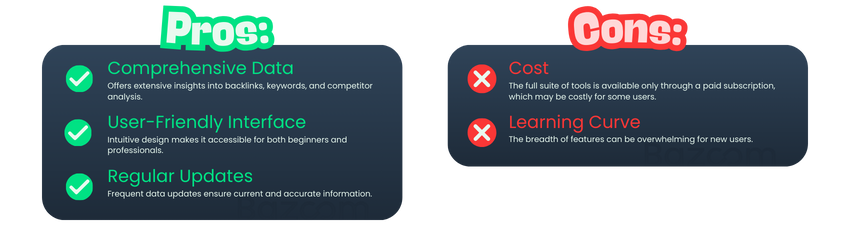
Paid version of Ahrefs
Ahrefs’ free tools provide useful keyword insights, ranking data, and competitive analysis, but they come with limitations on depth and search volume details. The paid version unlocks a full suite of SEO tools, including in-depth keyword research, backlink analysis, and site audits. With advanced features like Rank Tracker and Content Explorer, Ahrefs’ paid plans offer comprehensive data to refine your SEO and link-building strategies.
3. Moz Tools
Just as we did with Ahrefs above, we’ve chosen to highlight the freely available tools from Moz in this guide. Even though Moz is integrated into the Bazoom Marketplace, these free tools offer valuable SEO insights accessible to a broad audience without a subscription.
-
Keyword Explorer: A comprehensive tool designed to provide in-depth keyword analysis. By entering a seed keyword, you can access data on search volume, keyword difficulty, and organic click-through rates. The tool also offers keyword suggestions and analysis of current ranking pages, helping you identify opportunities to target valuable search terms. While full access requires a subscription, Moz offers a limited number of free searches for users to explore its capabilities.
-
MozBar: A free browser extension that provides instant SEO insights for any webpage. With MozBar, you can view metrics such as Domain Authority (DA), Page Authority (PA), and keyword difficulty scores directly in your browser. This tool is particularly useful for analyzing competitors’ pages and identifying potential keyword opportunities during your research process.
-
Link Explorer: Allows you to analyze backlink profiles by entering a URL. You can view metrics like DA, PA, and the number of linking domains. Understanding your site’s backlink profile can help you identify opportunities to improve your SEO strategy. While full access requires a subscription, Moz offers a limited number of free searches for users to explore its capabilities.
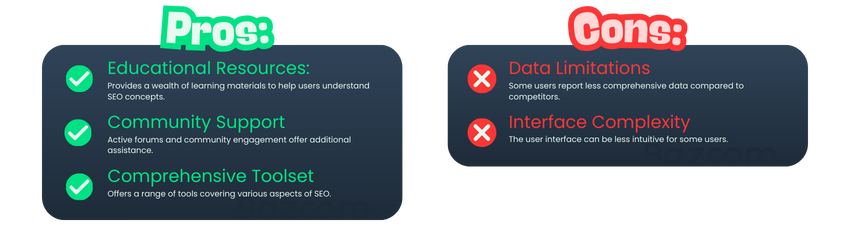
Paid version of Moz
Moz offers free tools like MozBar and limited access to Keyword Explorer and Link Explorer, which provide basic SEO insights. The paid version expands on these by offering unlimited keyword and backlink research, rank tracking, and site audits. For those needing detailed keyword difficulty analysis and competitor research, Moz Pro provides a more robust solution.
4. Semrush Tools
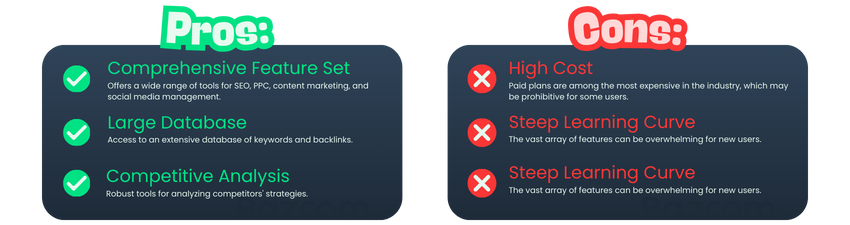
Semrush is a comprehensive SEO platform offering a suite of tools designed to enhance your digital marketing strategy. While the platform primarily operates on a subscription basis, it provides limited free access to some of its features, allowing users to explore its capabilities before committing to a paid plan. Below, we highlight key tools available through Semrush’s paid subscriptions, which offer in-depth keyword research, competitive analysis, and valuable insights to optimize your online presence.
-
Keyword Magic Tool: Offers an extensive database of over 20 billion keywords, providing a vast array of keyword suggestions. It allows you to filter results by search volume, keyword difficulty, and other metrics to find the most relevant keywords for your strategy.
-
Keyword Gap Tool: Enables you to compare your keyword profile with that of your competitors, identifying opportunities where they rank, but you don’t. This insight can help you target new keywords to improve your competitive standing.
-
Organic Research Tool: Provides detailed insights into your competitors’ top organic keywords, positions, and traffic data, helping you understand their SEO strategies and identify opportunities for your own site.
5. Bonus and Niche Tools
In addition to the major SEO platforms, several niche tools offer specialized functionalities to enhance your content strategy. Below are some noteworthy options that can provide unique insights and optimization techniques.
-
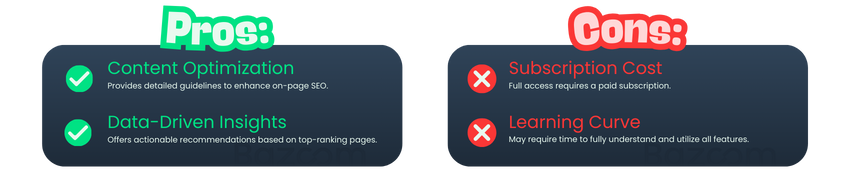
Surfer SEO: A content optimization tool that analyzes the top-ranking pages for a given keyword and provides guidelines on how to structure and optimize your content to improve its chances of ranking. It offers insights into word count, keyword usage, and other on-page factors.
-
AlsoAsked: Helps you discover the questions people are asking around a particular keyword by visualizing the “People Also Ask” data from Google. This can provide insights into related topics and subtopics to cover in your content, helping to address user intent more effectively.

6. AI-Powered Tools
Artificial intelligence is transforming keyword research by providing innovative tools that enhance content strategy. Below are some AI-powered solutions that assist in generating keyword ideas and understanding search intent, helping you align your content with user expectations.
-
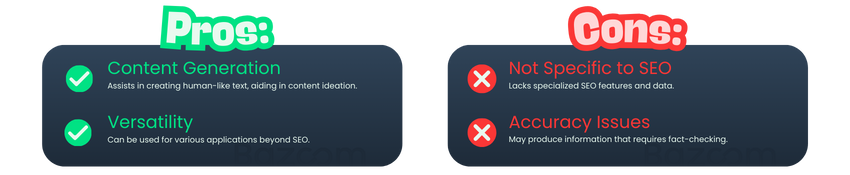
ChatGPT: Developed by OpenAI, ChatGPT is a conversational AI that can assist in generating seed keyword ideas. By prompting it with a broad topic, ChatGPT can suggest related terms and concepts that might not be immediately obvious. While it doesn’t provide search volume data or keyword difficulty scores, it’s useful for brainstorming and expanding your list of potential keywords.
-
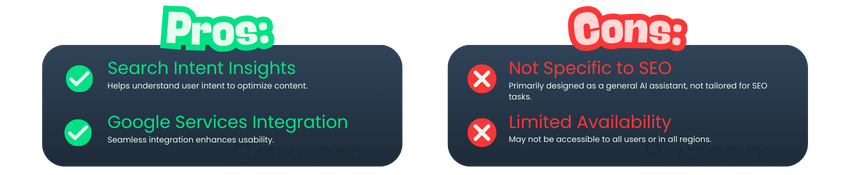
Google Gemini: An AI-powered tool that helps understand search intent and provides insights into how to optimize content to meet user expectations. It can assist in identifying the types of content that are most likely to satisfy search queries, helping you align your content strategy with user needs.
Final Thoughts
Effective keyword research requires understanding your audience, finding the right keywords, and optimizing content accordingly. By leveraging free tools and continuously refining your strategy, you can improve your SEO performance and stay ahead in search rankings. By focusing on relevant keywords, you can ensure your content meets the needs of your audience and performs well in search rankings.